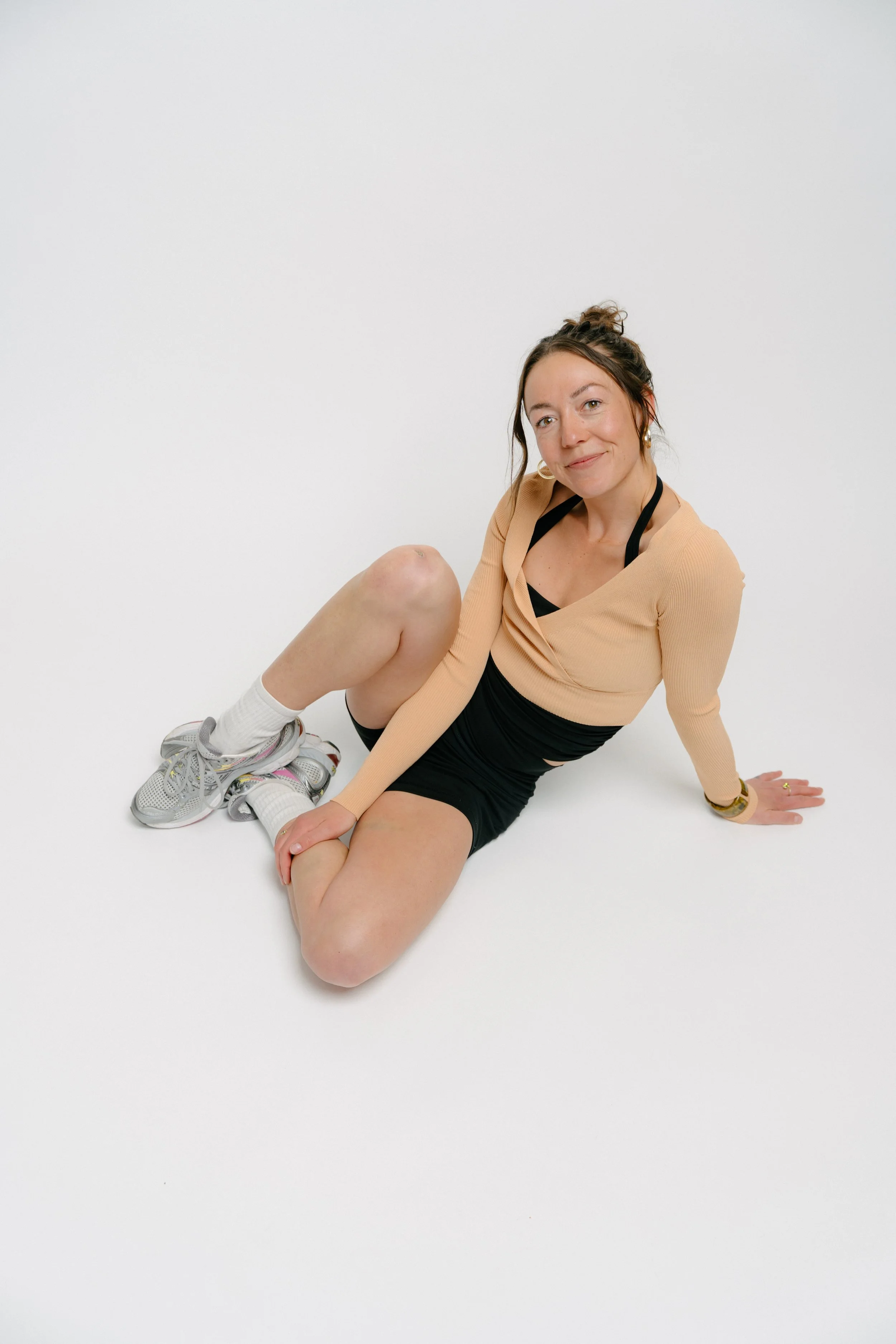
Childhood dances might have been onto something
Remember when you were younger and would join forces with your friends to create synchronized dances in your basements to perform for your parents? Or force your brother to wear the singular pink bedazzled costume dress and do said dances with you when you got back to your house so everyone could admire your creativity?
Well, even if you don't have this exact experience, reach into the childhood depths of your mind and remember a time when you were moving in unison with others (be it at a school dance or in gym class). Have you ever wondered what was happening during that group movement? Probably not, but maybe you are now. Because it wasn't just the impeccable choreography or the pink bedazzled dress. Research (Tarr et al., 2015, Oxford) found that people who danced in sync had higher pain thresholds afterward and felt closer to each other than people moving out of sync, an effect thought to involve endorphin release. But synchronized movement wasn’t the only factor. The physical effort was part of the equation too, and that bond was with the people in the room doing it alongside you. Even if that movement is slightly varied, like in a Lagree or Mat Pilates class.
When everyone is moving together on the mat, or quivering through the same hold in Lagree, you are temporarily raising your capacity for discomfort, otherwise known as your ability to get comfortable in really uncomfortable situations. This might sound familiar because you've taken a Lagree class and you are currently nodding your head in agreement, "Yeah, I know that feeling.” Or, maybe you’re thinking something else, perhaps sitting through a meeting with your manager as they’ve decided it's time they let you know every single criticism they've ever had about you.
You may start to feel like you are going to melt into the chair and your palms sweat, your jaw clenches, you narrow your chin towards your collarbone and look at them under your eyebrows, and just when you are about to explode… a voice of reason floats to your prefrontal cortex and asks, "What if you were to just… not react?" And so you sit in your discomfort and challenge that primal impulse to get defensive. That pause, that tiny and undeniably challenging choice to stay, is the same muscle you build in the hold and discover in the shakes.
While teaching Lagree the other morning, I watched as a student reached her edge. She was deep in her spring load when I saw her jaw start to grip. She caught my eye, and I said, "You have twenty seconds left. Can you go right to the end? That means one or two more right here." Her eyes shifted to a point in front of her, and she kept moving. I could tell she wanted to give up. She didn't. When I cued her out of the shoulder press, she pulled her knees into her chest, closed her eyes, and let out a sigh I could sense from the other side of the room. Maybe it was the endorphins, maybe it was the count or cues of encouragement, or maybe it was the energy of the people on both sides of her, pulling her inner critic back. Whatever it was, she made the choice to stay.
That sigh of relief was her body acknowledging that she didn't have to run anymore. There was nothing chasing her. Nothing at all in fact, as our biggest threat is usually ourselves. So if we can stand down and tap into the energy around us, we might open up an opportunity to reach a deeper sense of belonging with the people who are in it with us.
Maybe that's why a room full of people moving together feels so familiar. Yet, somewhere between the basement performances and adulthood, we stopped moving in sync with other people. Then you walk into a group class, and a room full of strangers are moving to the tempo of the teacher's count. Isn't it a bit like that same magic you created with the choreographed dances? Only with a little more elevated vocabulary, a little less pink dress, and a little more athleisure aesthetic.
Mat Pilates is the slow-burn version. It isn't necessarily choreography, but there is flow. If you've ever watched old footage of Joseph Pilates's students moving through the classical repertoire together, you know just how beautiful a room of bodies moving through space can be.
So next time you're in class, let yourself be inspired by the energy in the room, your instructor's words that sustain you through the hold, and the mental stamina you build every time you choose to stay. Notice what happens when you let go of the doubt. And if you ever need a reminder, let the room be it. There is nothing chasing you. The hold ends, the room stays, and so do you.